Intelligence That Adapts and Protects
KibiraAI delivers climate services for Africa’s forests and cities — stopping deforestation, warning of floods and heat, and turning climate data into children’s health foresight.
Forest Intelligence
Predict risk, plant smarter, verify carbon
AI maps vulnerable zones, generates native-species plans, and tracks sequestration for carbon credits.
Urban Services
Cool, protect, feed & hydrate cities
Heat mapping, flood early-warnings, food-garden advisory, and smart water monitoring — delivered digitally.
Pillar 1 — Forest Intelligence
AI That Predicts, Plants & Verifies
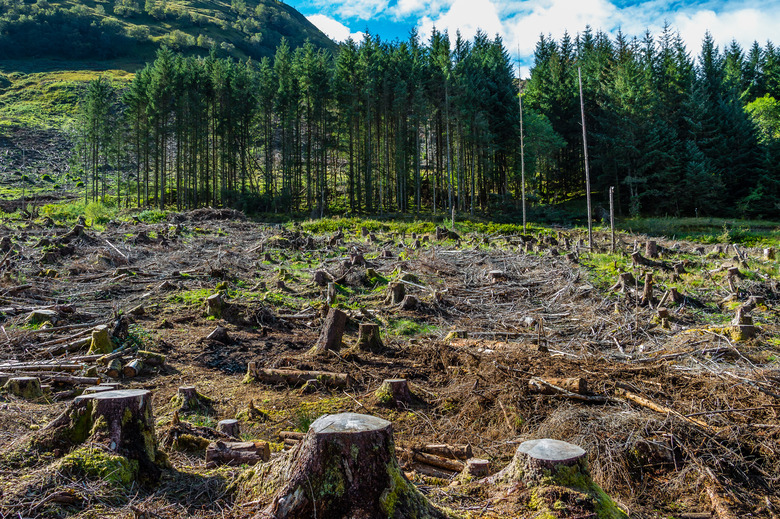
KibiraAI uses satellite imagery, land-use data, and ecological models to pinpoint where forests are most at risk — then generates region-specific reforestation plans using native species matched to local soil and rainfall.
Every intervention is tracked with science-backed biomass monitoring, producing verifiable carbon-credit reports that create direct revenue for communities.
Deforestation Risk Mapping
AI-powered analysis of satellite imagery and land-use patterns identifies at-risk areas before trees are lost, allowing for targeted intervention.
Native Species Optimization
We generate planting strategies using indigenous species suited to local soil and rainfall, increasing survival rates by up to 40% compared to monocultures.
Carbon Verification Ecosystem
Science-backed tracking of biomass growth translates into verifiable carbon credits, creating direct revenue streams for forest-dependent communities.
AI Forest Acoustic Sentinel
Beyond data — real-time forest protection. Low-cost IoT sound sensors deployed across Uganda's at-risk forests (Mabira, Bugoma, Bwindi buffer zones) use a trained neural network to detect illegal logging activity and alert rangers within seconds.
🔊 Launch Forest Sentinel →Acoustic Detection
Solar-powered IoT microphones deployed across at-risk forests use a trained neural network to classify chainsaw and axe sounds in real-time, distinguishing logging from natural forest sounds like thunder or animal calls.
95% detection accuracyGPS Triangulation & Alerts
Multiple sensor nodes triangulate the exact GPS location of detected logging activity. Instant SMS and WhatsApp alerts are pushed to community forest rangers and Uganda's National Forestry Authority within seconds.
< 30 second alert timeEvidence & Dashboard Logging
Every detection event is logged on the KibiraAI dashboard with timestamp, GPS coordinates, confidence score, and audio classification. Optional drone dispatch captures photographic evidence for prosecution.
100% event traceabilityPredictive Feedback Loop
Detection data flows back into KibiraAI's deforestation risk model, making future predictions sharper. Patrol routes are optimized based on hotspot patterns, reducing ranger workload by up to 60%.
Self-improving AI modelDetection Pipeline
Sound Captured
IoT mic detects chainsaw/axe audio
AI Classifies
TensorFlow Lite model on-device
Alert Dispatched
SMS/WhatsApp to rangers in < 30s
Evidence Logged
GPS, timestamp, audio on dashboard
Africa-wide scalability: Replicable across the Congo Basin (1.5M ha lost/year), Kenya's community forests, and Ghana's cocoa-belt forests. Tech stack: TensorFlow Lite on Raspberry Pi Zero + solar panel + LoRaWAN for low-power, long-range connectivity in remote areas.
Pillar 2 — Urban Early Warning & Health
Cool Cities, Protect Communities & Children
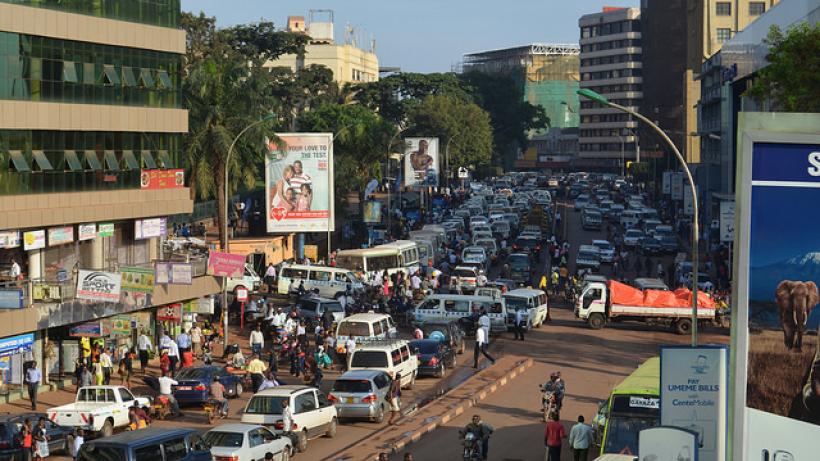
KibiraAI delivers hyper-local flood, heat, and air-quality early warning for African cities — helping planners, community leaders, schools, and clinics act before climate shocks hit.
Risk scores become anticipatory playbooks: cooling actions, flood response, and children’s climate–health guidance for the people closest to neighborhoods.
Heat Stress Mitigation
Our AI maps urban heat islands and provides roadmaps for cooling corridors — plus children's heat-illness foresight for schools and clinics.
Early Warning Flood Analytics
By processing topography and soil moisture data, we provide early warnings to dense informal settlements, giving families time to respond before flooding occurs.
Children's Climate Health
Turn flood, heat, and air-quality signals into anticipatory action for child-serving facilities — hydrate, shift schedules, and alert caregivers.
Smart Water & Air Monitoring
Addressing water stress and air pollution through localized environmental cues that support community preparedness and health readiness.
Urban Heat & Flood Early Warning System
Beyond data — predictive urban protection. A hyperlocal AI system for Kampala and African cities that combines satellite thermal imagery, weather data, and drainage topology to predict heat extremes and flash floods before they strike.
🚀 Launch Live System →Hyperlocal Heat Island Mapping
Satellite thermal imagery combined with ground-level data maps neighborhood-level heat intensity across African cities, identifying which informal settlements are dangerously hot — and which schools and clinics sit in those zones.
50m resolution heat maps72-Hour Flood Prediction Engine
An ML model processes real-time weather forecasts, soil saturation levels, and urban drainage topology to predict flash floods 24–72 hours ahead, pushing SMS and WhatsApp alerts to residents in flood-prone zones.
24–72h advance warningParish-Level Climate Action Plans
AI generates specific intervention plans per neighborhood — cooling trees, drainage fixes, and children's health playbooks — ready for city and NGO implementation.
Actionable per-ward plansClimate Justice Evidence
Maps and data proving which communities and child populations bear the worst climate impact help NGOs and city authorities direct adaptation funding equitably.
Data-backed equity reportsEarly Warning Pipeline
Satellite Scan
Landsat thermal + Sentinel-1 radar
AI Analysis
ML predicts heat/flood risk per ward
Alert Pushed
SMS/WhatsApp to at-risk residents
Action Plan
Per-parish interventions generated
Target cities: Kampala (primary), Lagos, Nairobi (Mathare/Kibera), Dar es Salaam, Accra (Odaw River basin). Uses freely available Sentinel-1 radar for flood detection and Landsat thermal bands for heat mapping — no hardware deployment needed.
Children's Climate Health Early Warning
Beyond citywide alerts — facility-aware early action for children. KibiraAI combines Open-Meteo weather and air-quality feeds, on-facility station telemetry, and child-sensitive thresholds to warn schools and clinics before heat, flood, pollution, or vector-suitable conditions put children at risk.
🚀 Launch Live System →Facility Registry for Schools & Clinics
A living registry of child-serving facilities with location, capacity, canopy cover, and drainage context — so warnings reach the places where children actually spend their day.
Schools & clinics firstChild-Sensitive Thresholds
Heat, humidity, UV, air quality, and flood signals are scored against thresholds designed for children — not generic adult weather alerts — with clear watch, warning, and critical bands.
Age-aware risk bandsHeat-Illness & Vector Foresight
Transparent models convert weather and air-quality inputs into heat-illness risk and malaria/vector climate suitability scores that headteachers, CHWs, and clinic leads can act on.
0–100 risk scoresAnticipatory Action Playbooks
Each risk level ships with practical next steps — hydrate, shade, shift outdoor schedules, open cooling spaces, alert caregivers — tailored to schools and primary care facilities.
Ready-to-run playbooksEarly Action Pipeline
Signals Ingested
Weather, AQ, flood & station feeds
Child Risk Scored
Heat-illness + vector suitability
Facility Alerted
Watch / warning / critical levels
Playbook Triggered
School & clinic actions ready
Built for UNICEF Area 2: Early warning, early action for children's climate health. Public status dashboard, open JSON APIs, and transparent models for partners — with school and clinic playbooks that turn risk scores into same-day decisions.
The Complete Pipeline
Data → Detection → Action
Four integrated layers that transform climate intelligence into measurable impact across Africa's forests, cities, and child-serving facilities.
Layer 1
Educate & Advise
Dr. Kibira AI
Users query the AI for region-specific data on deforestation, native species, carbon potential, and climate-smart farming practices.
Layer 2
Detect & Protect
Forest Acoustic Sentinel
IoT sound sensors detect illegal logging in real-time, alert rangers, and feed data back into the deforestation risk model.
Layer 3
Predict & Prepare
Urban Heat & Flood AI
Satellite and weather data predict heat extremes and flash floods, push early warnings, and generate neighborhood-level climate action plans.
Layer 4
Protect Children
Children's Early Warning
Facility-aware heat, flood, air-quality, and vector foresight turns climate signals into school and clinic playbooks before children are exposed.
The Digital Service Stack
KibiraAI acts as a climate operating system, turning data into guidance for local governments, NGOs, and community leaders. This keeps intervention fast, affordable, and scalable.
Data-to-Action
From satellite signals to actionable playbooks, every insight is designed for immediate use in the field.
Community First
Designed for low-bandwidth environments with clear, local-language friendly recommendations.
Verified Impact
Continuous monitoring produces evidence for climate finance, carbon credits, and public accountability.
Workflow
How KibiraAI Works
1. Data Capture
Satellite, climate, and local inputs establish real-time context.
2. AI Diagnosis
Models detect risk zones and forecast climate stress events.
3. Action Playbooks
Communities receive tailored actions for forests and cities.
4. Verified Outcomes
Progress is monitored and validated for climate finance.
3.9M
Hectares protected yearly
Risk mapped to prevent loss
95%
Logging detection rate
Acoustic AI forest sentinel
5°C
Urban cooling potential
Heat corridors + tree placement
72h
Flood early warning
Preparedness for dense neighborhoods
40%
Higher survival
Native species optimization
< 30s
Alert response time
Real-time ranger notification