Two Crises, One Continent
Africa’s forests are disappearing while its cities overheat, flood, and pollute — and children carry much of the health burden. These aren’t separate problems; they demand a unified climate response.
3.9M
hectares/year
Forest lost across Africa annually — more than any other continent
15–20%
of global CO₂
Contributed by land-use change in Africa, accelerating the warming cycle
<3%
climate finance
Reaches African nations despite bearing the greatest burden of climate change
Crisis 1 of 2
Africa’s Forests Are Vanishing —
And Taking Livelihoods With Them
Africa loses more forest each year than any other continent. The drivers are complex: commercial agriculture, charcoal production, illegal logging, and population pressure. The consequences are devastating and far-reaching.
Over 60% of Africans depend directly on the land. When forests fall, soil erodes, water systems collapse, biodiversity disappears, and carbon floods the atmosphere — trapping communities in a cycle of poverty and environmental degradation.
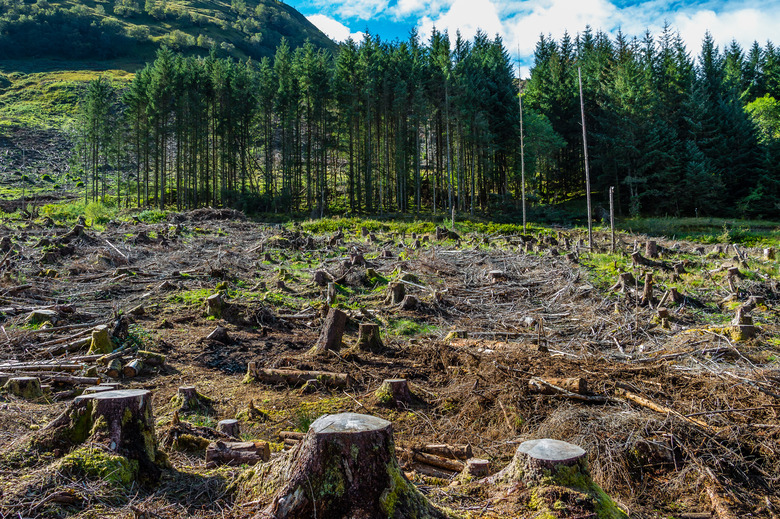
The Congo Basin Under Siege
The world's second-largest tropical forest is receding at an alarming pace. Illegal logging, slash-and-burn agriculture, and expanding commercial plantations are driving irreversible loss. Communities that depend on these ecosystems for food, water, and medicine are losing their lifeline.
Soil & Water System Collapse
Forests anchor Africa's water cycles. As tree cover disappears, rainfall patterns destabilize, rivers silt up, and aquifers deplete. The cascade reaches millions of smallholder farmers who depend on predictable seasons to grow food and earn a living.
Biodiversity Loss at Scale
Africa hosts 6 of the world's 36 biodiversity hotspots. Deforestation fragments habitats, pushing species toward extinction and eliminating natural pest-control and pollination services that agriculture depends on.
Carbon Emission Feedback Loop
When forests are cleared, stored carbon is released. Africa's land-use emissions account for 15–20% of the global total, yet the continent receives less than 3% of international climate finance to address the problem. Without intervention, forests shift from carbon sinks to carbon sources.
100M+
people at risk
Urban dwellers in Africa exposed to severe heat, flooding, and water stress
1.5×
faster warming
Africa heats faster than the global average, with cities amplifying the effect
60%
depend on land
Of Africans rely on agriculture and natural resources now under threat
Crisis 2 of 2
African Cities Are Growing
Into Climate Danger Zones
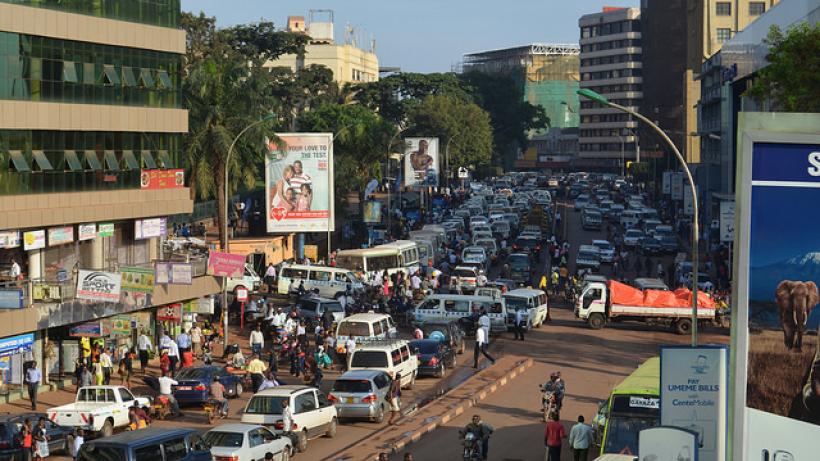
Africa is urbanizing faster than any other region. By 2050, over 1.3 billion people will live in African cities. But this growth is outpacing infrastructure, planning, and services — creating concentrated vulnerability to four escalating climate threats.
Heat stress, flash flooding, food insecurity, and water scarcity are not future risks. They are happening now in Kampala, Lagos, Nairobi, Dar es Salaam, Accra, and dozens of rapidly growing secondary cities.
Urban Heat Islands
Concrete, metal roofing, and minimal green cover turn African cities into furnaces. Temperatures in dense neighborhoods can exceed surrounding rural areas by 5–8°C. Heat-related illness hits children, outdoor learners, and clinic waiting areas hardest — often with no facility-level early warning.
Flash Flooding & Drainage Failure
Rapid, unplanned urbanization paves over natural drainage. When heavy rains hit, water has nowhere to go. Informal settlements experience devastating floods that close schools, disrupt clinics, spread waterborne disease, and displace families — often with zero advance warning to headteachers or community leaders.
Food Insecurity in Growing Cities
Africa's urban population is projected to triple by 2050. Cities already struggle to feed residents affordably. Rising temperatures reduce crop yields in peri-urban farmland, while supply chains to city markets remain fragile and expensive. Low-income households spend 60–80% of income on food.
Water Scarcity & Inequitable Access
400 million people in Sub-Saharan Africa lack access to safe drinking water. Urban infrastructure cannot keep pace with population growth, leading to chronic shortages, reliance on unsafe sources, and conflict over shared water supplies. Climate change is intensifying drought cycles that feed the crisis.
The Hidden Link
These Crises Feed Each Other
Deforestation and urban climate vulnerability are not isolated — they form a reinforcing loop. Solving one without addressing the other is incomplete.
Forest loss upstream destabilizes watersheds, increasing downstream flood severity in cities.
Higher heat reduces crop yields in peri-urban farmland, driving up city food prices.
Deforestation-driven emissions accelerate warming, compounding urban heat island effects.
Degraded forest watersheds mean less groundwater recharge and more erratic supply to cities.
The Gap That Keeps
Communities Vulnerable
Data exists — satellite imagery, climate models, hydrological surveys. But it sits in silos, behind paywalls, or in formats that local leaders, farmers, and city planners cannot use.
Without accessible intelligence, communities react instead of prepare. Trees are cleared because no one mapped the risk. Neighborhoods flood because no one modeled the drainage. Harvests fail because no one forecasted the heat.
No early-warning systems
Communities learn about floods and heat waves after they hit
No localized forest data
Deforestation mapping exists at global scale, not village scale
No digital planning tools
City planners lack data to route drainage or site green corridors
No unified platform
Forest and urban climate challenges are treated as separate problems
This Is The Problem
KibiraAI Is Built To Solve
One AI-powered platform that turns fragmented climate data into actionable intelligence for Africa’s forests and cities — accessible to the communities who need it most.